Why Should Delaware Care?
Natural gas customers in Delaware will see higher costs just as wintertime is set to begin, raising the potential for another difficult season for homeowner costs. More than four in 10 households in Delaware use natural gas to heat their homes.
Starting next month, the average natural gas customer in Delaware will be charged an additional $10 or more a month after the underlying cost of the fuel has risen over the past year.
The expected price spike comes as a result of Delaware’s two natural gas providers – Delmarva Power and Chesapeake Utilities – both filing applications with the state’s Public Service Commission to pass along higher fuel costs to customers.
Delmarva estimates that its 140,000 state customers will see an average bill increase of $11.33 per month, or 13%, while Chesapeake estimates that its 77,000 customers’ bills will increase by an average of $16.51 per month, or 18.6%. Each increase will be effective on Nov. 1, if approved by the commission.
Those known costs come as residents prepare for a wintertime that could once again see spiking bills for energy usage – more than four out of 10 Delawareans use natural gas to heat their homes, the largest share of any fuel class.
Sharp increases in usage amid historically low temperatures last year led to significantly inflated electric bills for thousands of Delawareans, whose public outcry culminated in investigatory hearings by the state legislature and bill payment assistance programs.
But in the last nine months, little has changed in the supply market – and now more Delawareans could be at risk of higher bills as temperatures drop.
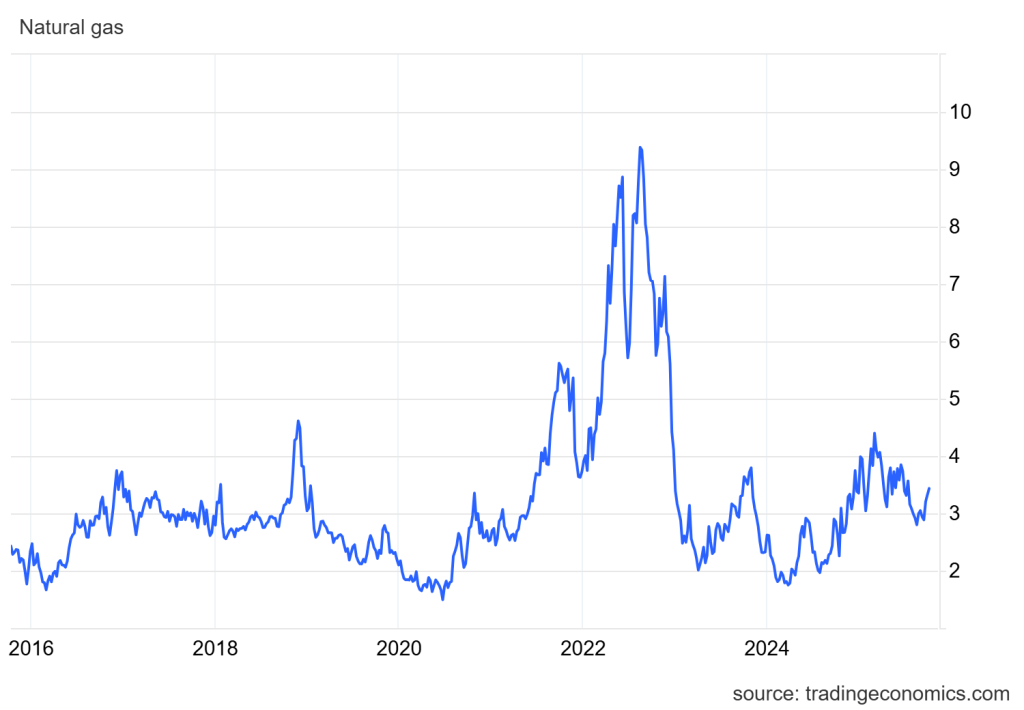
Wholesale natural gas prices hit two-year highs earlier this year, and currently sit 25% higher than a year ago. That price spike was driven by usage during extreme weather, supply constraints, record liquefied natural gas (LNG) exports, and global demand pressures, brought in part by sanctions on Russian natural gas, according to Forbes.
Those costs are being passed on to consumers, as Delmarva reported that its gas rate would rise by 43% while Chesapeake’s would rise 30%. Each is just a component of a customer’s total bill.
Delaware Public Advocate Jameson Tweedie, who represents the interests of state consumers, said his office would review the filings to ensure that customers aren’t being overcharged, but warned that he would have little ability to challenge increases that are simply pass-through costs.
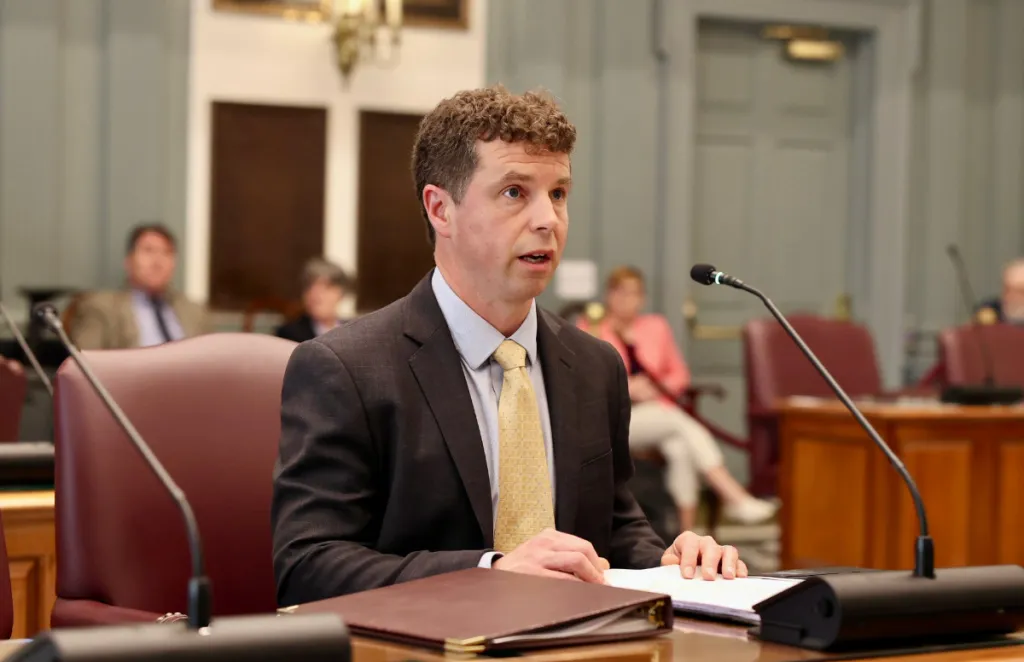
He told Spotlight Delaware that he was “really worried” about residents who are unprepared for another cold winter.
“People should absolutely be looking at energy-efficiency opportunities and those sorts of home improvements, especially when they are cost-effective and when there are subsidies to help,” he said.
The Delmarva Power Customer Relief Fund is one program that can help its low- and moderate-income customers offset rising bills with a credit up to $300. The federal Low-Income Heating and Energy Assistance Program, or LIHEAP, can also help some customers in need to bear the burden of higher bill costs.
Rising gas costs could eventually hit electric
Even if your home doesn’t have natural gas service, the rising price of the fuel could become an issue because it influences electric prices.
In Delaware, 65% of energy created here is made by burning natural gas, which heats compressed air and turns turbines. In the entire PJM Interconnection grid where Delaware sources its power, 49% is created from natural gas-fired power plants.
Meanwhile, the two largest potential short-term growth areas for energy in Delaware and PJM – solar and wind – have been under attack by the Trump administration. A major wind farm proposed to be built off the coast of Delaware is now being eyed for termination while tax incentives for solar development have been stripped, and tariffs have raised the component costs on both.
Throw into the mix that massive data centers, like one under consideration near Delaware City, could ramp up demand for electricity, and regulators have a perfect storm of issues that could soon strike consumers’ wallets.
“The federal government’s actions to put barriers in the way of the types of generation that are growing fastest, meaning solar and wind, is really, really concerning for an energy market that is getting tighter,” Tweedie told Spotlight Delaware.
The public advocate noted that PJM has been dependent on the growth of renewable projects for future energy demands. About half of all projects in its queue to add power to the grid would come from solar while a quarter would come from battery projects to store solar energy, and 10% would come from wind farms.
“So, if we suddenly have federal policy that is either disincentivizing or outright pulling permits for projects that are already permitted – that’s really problematic,” Tweedie said.
While gas prices won’t immediately impact electric prices in the next few months, if they continue to impact generation costs over the next few seasons it could drive up prices on electric for next year.